
 As the book of Numbers opens, the Israelites had been camped near Mount Sinai for more than a year. There they had received all the laws and regulations recorded in the book of Leviticus. They had been transformed into a new nation and equipped for their task. At this time, they were ready to move out and receive their land. In preparation, Moses and Aaron were told to number all the men who were able to serve in the army. This book is named for this census, or numbering, of the people.
Chapter 1 – Census or Numbering
1:1 The Tabernacle contained the sanctuary (or Holy Place) in one part, and the Most Holy Place with the Ark in another part. These two parts were separated by a curtain. God revealed himself to Moses in the Most Holy Place.
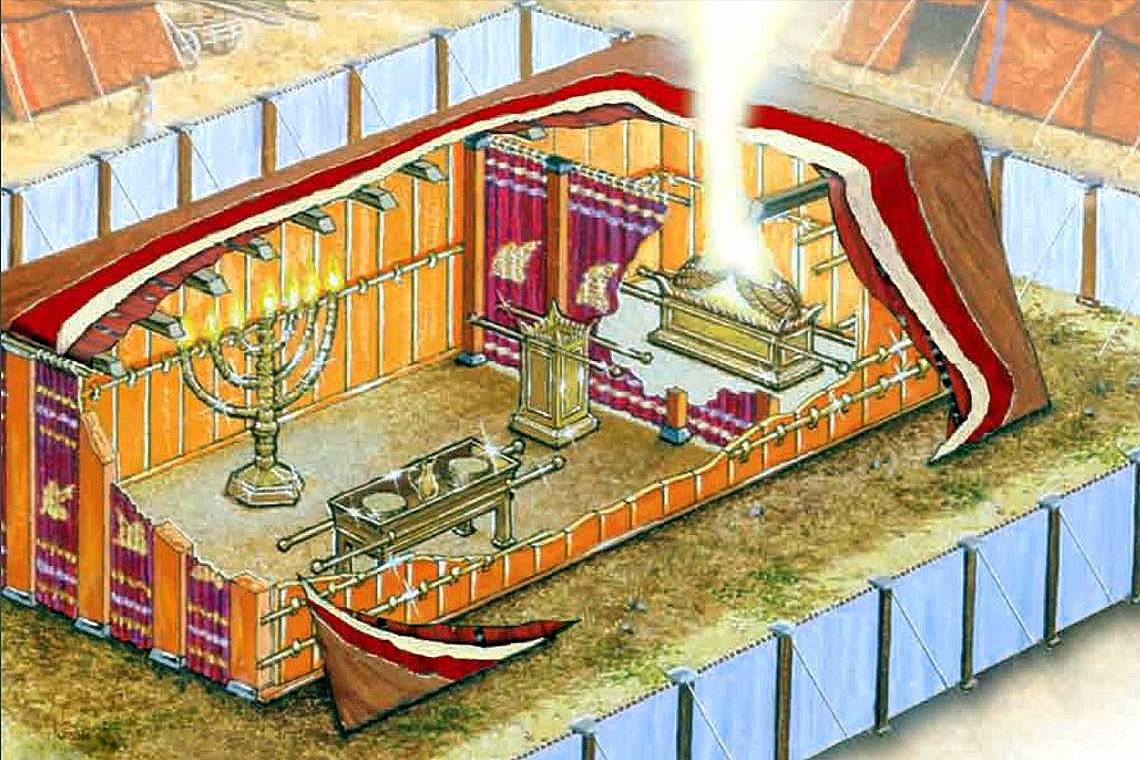 Exodus 33:7 mentions the “Tent of Meeting” as the place where Moses met with God before the Tabernacle was constructed. Many believe that the Tent of Meeting in Exodus served the same function as the Tabernacle described here.
1:2–15 Taking a census was long and tedious, but it was an important task. The fighting men had to be counted to determine Israel’s military strength before entering the Promised Land. In addition, the tribes had to be organized to determine the amount of land each would need, as well as to provide genealogical records. Without such a census, the task of conquering and organizing the Promised Land would have been more difficult. Whenever we are at a crossroads, it is important to take inventory of our resources. We will serve more effectively if, before plunging in, we set aside time to take a “census” of all we have—possessions, relationships, spiritual condition, time, goals.
1:20–46 If there were 603,550 men, not counting the Levites or women and children, the total population must have numbered more than two million Israelites. How could such a large population grow from Jacob’s family of 70 who moved down to Egypt? The book of Exodus tells us that the Israelites who descended from Jacob’s family “multiplied so greatly that they became extremely powerful and filled the land” (Exodus 1:7). Because they remained in Egypt more than 400 years, they had plenty of time to grow into a large group of people. After leaving Egypt, they were able to survive in the wilderness because God miraculously provided the food and water they needed.
Chapter 2 – Organizing the Tribes
2:2 The nation of Israel was organized according to tribes for several reasons.
- It was an effective way to manage and govern a large group.
- It made dividing the Promised Land easier.
- It was part of their culture and heritage (people were not known by a last name, but by their family, clan, and tribe).
- It made it easier to keep detailed genealogies, and genealogies were the only way to prove membership in God’s chosen nation.
- It made travel much more efficient. The people followed the tribe’s standard (a kind of flag) and thus stayed together and kept from getting lost.
 2:34 This must have been one of the biggest campsites the world has ever seen! It would have taken about 12 square miles to set up tents for just the 600,000 fighting men—not to mention the women and children. Moses must have had a difficult time managing such a group. In the early stages of the journey and at Mount Sinai, the people were generally obedient to both God and Moses. But when the people left Mount Sinai and traveled across the rugged wilderness, they began to complain, grumble, and disobey. Soon problems erupted, and Moses could no longer effectively manage the Israelites. The books of Exodus, Leviticus, and Numbers present a striking contrast between how much we can accomplish when we obey God and how little we can accomplish when we don’t.
Chapter 3 – Levites & the Priesthood
3:4 See Leviticus 10:1, 2 for the story of Nadab and Abihu.
3:5–13 At the time of the first Passover, God instructed every Israelite family to dedicate its firstborn son to him (Exodus 13:2). They were set apart to assist Moses and Aaron in ministering to the people. This was only a temporary measure, however. Here God chose all the men from the tribe of Levi to replace the firstborn sons from every Israelite tribe (3:40–51 and 8:16). These men, called Levites, were set apart to care for the Tabernacle and minister to the people. All the priests had to belong to the tribe of Levi, but not all Levites were priests. The Levites were to be 25 years old before entering service. They probably received five years of on-the-job training before being admitted to full service at age 30.
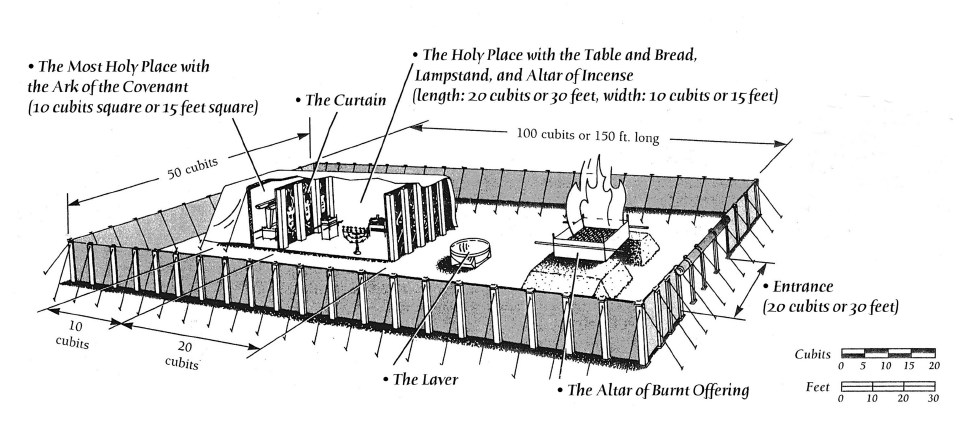 3:10 Aaron and his descendants were appointed to the priesthood. There is a tremendous contrast between the priesthood of Aaron in the Old Testament and the priesthood of Christ in the New Testament. Aaron and his descendants were the only ones who could carry out the duties of the priests and approach God’s dwelling place. Now that Christ is our High Priest—our intermediary with God—anyone who follows him is also called a priest (1 Peter 2:5, 9). Now all Christians may come into God’s presence without fear because God’s own Son encourages his followers to do so. We can put guilt behind us and experience forgiveness when we have a special relationship with God based on what Christ has done for us.
Chapter 4 – Duties of the Priests
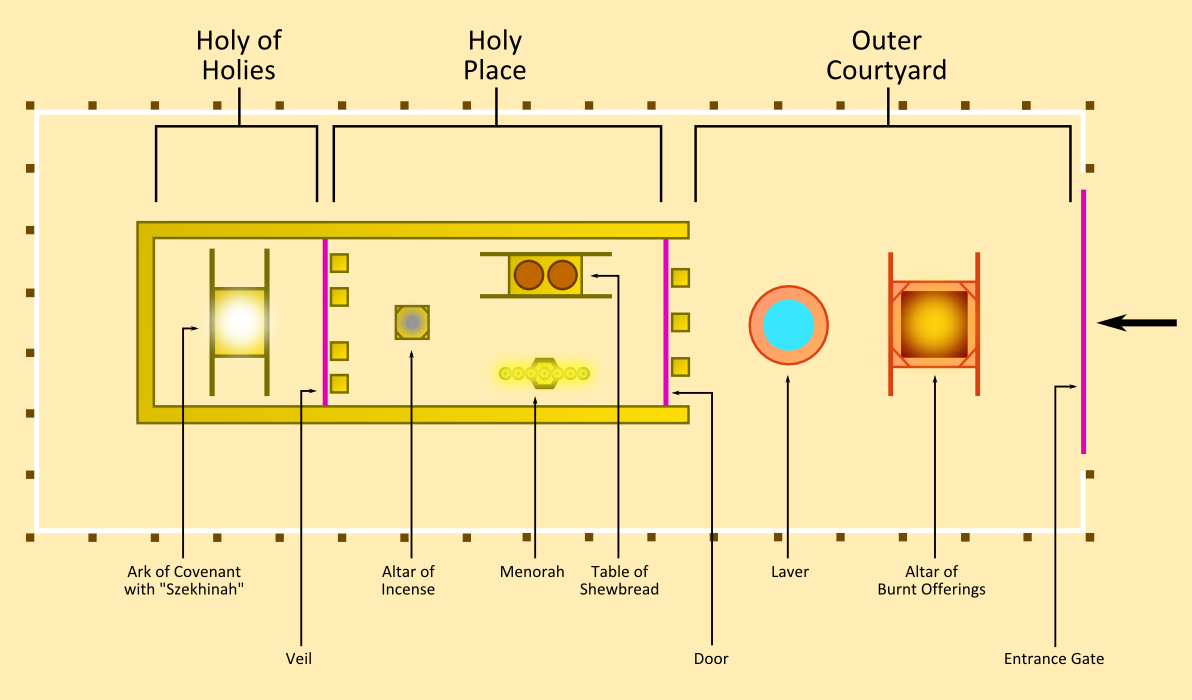 4:2 The Kohathites, Gershonites (4:21), and Merarites (4:29) were families of Levites who were assigned special tasks in Israel’s worship. For the jobs described in this chapter, a Levite had to be between 30 and 50 years old. He was expected to carry out his duties as described here in every detail. In fact, failure to do so would mean death (4:20). This contrasted greatly from the religious practices of the Egyptians who could purchase amulets and potions. Their idols could be handled. The God of the Hebrews was not to be handled or reduced to common elements. He is greater than anything in his creation. Worshiping our holy God must not be taken lightly.
4:27, 28 The Gershonites could receive directions from any of Aaron’s sons, but they were directly responsible to Ithamar only. The lines of authority and accountability were clearly communicated to all. As you function with others in service to God, make sure the lines of authority between you and those you work with are clearly understood. Good communication builds good relationships.
Chapter 5 – Restitution & Sactitity of Marriage
5:5–8 God included restitution, a unique concept for that day, as part of his law for Israel. When someone was robbed, the guilty person was required to restore the loss to the victim and pay an additional interest penalty. When we have wronged others, we ought to do more than apologize. We should look for ways to set matters right and, if possible, leave the victim even better off than when we harmed him or her. When we have been wronged, we should still seek restoration rather than striking out in revenge.
 5:11–31 This test for adultery served to remove a jealous husband’s suspicion. Trust between husband and wife had to be completely eroded for a man to bring his wife to the priest for this type of test. Today priests and pastors help restore marriages by counseling couples who have lost faith in each other. Men and women should strengthen the bond of trust in marriage. Flirtatious and intimate communication with someone you’re not married to can build suspicion and weaken trust. Guard your heart and guard your marriage in order to maintain trust and strengthen your bond with your spouse.
Chapter 6 – Nazarite Vow and Priestly Blessing
6:1, 2 In Moses’ day, a personal vow was as binding as a written contract. It was one thing to say you would do something, but it was considered much more serious when you made a solemn vow to do it. God instituted the Nazirite vow for people who wanted to devote some time exclusively to serving him. This vow could be taken for as little as 30 days or as long as a lifetime. It was voluntary, with one exception—parents could take the vow for their young children, making them Nazirites for life.
The vow included three distinct restrictions:
- He must abstain from wine and fermented drink;
- the hair could not be cut, and the beard could not be shaved;
- Touching a dead body was prohibited. The purpose of the Nazirite vow was to raise up a group of leaders devoted completely to God. Samson, Samuel, and John the Baptist were probably Nazirites for life.
6:24–26 A blessing was one way of asking for God’s divine favor to rest upon others. The ancient blessing in these verses helps us understand what a blessing was supposed to do. Its five parts conveyed hope that God would:
- bless and protect them;
- smile on them (be pleased);
- be gracious (merciful and compassionate);
- show his favor toward them (give his approval);
- give peace. When you ask God to bless others or yourself, you are asking him to do these five things. The blessing you offer will not only help the one receiving it, it will also demonstrate love, encourage others, and provide a model of caring for others.
7:1After the Tabernacle was setup, anointed, and consecrated, the leaders of the 12 tribes brought gifts and offerings for its use and maintenance. All of the people participated—it was everyone’s Tabernacle.
7:89 Imagine hearing the very voice of God! Moses must have trembled at the sound. Yet we have God’s words recorded for us in the Bible, and we should have no less reverence and awe for them. God sometimes spoke directly to his people to tell them the proper way to live. The Bible records these conversations to give us insights into God’s character. How tragic when we take these very words of God lightly. Like Moses, we have the privilege of talking to God, but God answers us differently—through his written Word and the guidance of his Holy Spirit. To receive this guidance, we need to seek to know God as Moses did.
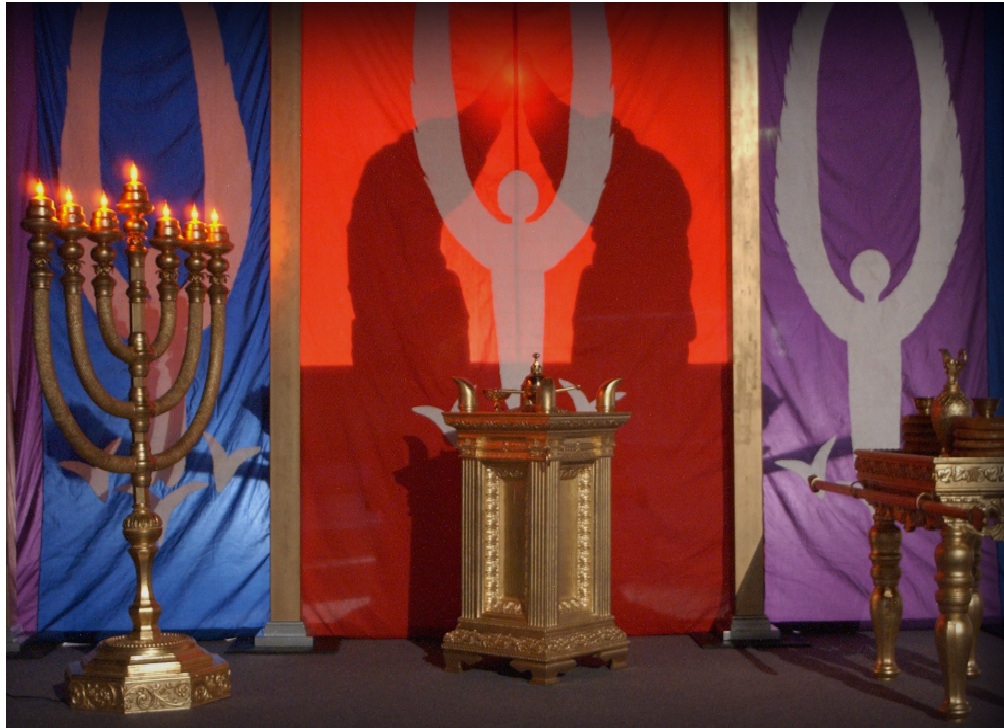
8:1–4 The lamps provided light for the priests as they carried out their duties. The light was also an expression of God’s presence. Jesus said, “I am the light of the world” (John 8:12). The golden lampstand is still one of the major symbols of the Jewish faith.
8:25, 26 Why were the Levites supposed to retire at age 50? The reasons were probably more practical than theological. (1) Moving the Tabernacle and its furniture through the wilderness required strength. The younger men were more suited for the work of lifting the heavy articles. (2) The Levites over 50 did not stop working altogether. They were allowed to assist with various light duties in the Tabernacle. This helped the younger men assume more responsibilities, and it allowed the older men to be in a position to advise and counsel them.
Chapter 9 – 2nd Passover & God’s Guidance
9:2 This is the second Passover. The first was instituted in Egypt and recorded in Exodus 12. Passover and the Festival of Unleavened Bread were an eight-day religious observance (Leviticus 23:5, 6) commemorating the Israelites’ escape from slavery in Egypt by God’s power.
9:6–12 Several men came to Moses because of the predicament they faced: They were “ceremonially defiled” because of contact with a dead body (or entering the home of a person who had died), and this prevented them from participating in the Passover meal. Notice that God did not adjust the requirements of the Passover. The standards of holiness were maintained, and the men were not allowed to participate. But God did make an exception and allowed the men to celebrate the Passover at a later date. This upheld the sacred requirements while allowing the men to participate in the feast—a duty for all Israelite men. Sometimes we face predicaments where the most obvious solution might cause us to compromise God’s standards. Like Moses, we should use wisdom and prayer to reach a workable solution.
9:14 God said regarding foreigners and the Passover, “They must follow these same decrees and regulations.” This principle designed for foreigners doesn’t mean we mandate our religion to our neighbors, but in our homes we should live out our convictions. When we have guests in our homes, whether visitors or family, we may be tempted to change or water down our Christian practices. If family devotions, attending church, and mealtime prayers are your practices, don’t change these when you have guests. Holidays such as Christmas and Easter should not be reduced to nothing more than society’s expressions. Further, you should maintain your family standards even when guests visit—for example, unmarried couples who are guests should not be allowed to sleep together. Maintain your Christian standards and principles. You never know what influence you may have on the guests in your home.
9:15–22 A pillar of cloud by day and a pillar of fire by night guided and protected the Israelites as they traveled across the wilderness. Some have said this pillar may have been a burning bowl of pitch whose smoke was visible during the day and whose fire could be seen at night. However, a bowl of pitch would not have lifted itself up and moved ahead of the people, and the Bible is clear that the cloud and fire moved in accordance with the will of God. The cloud and the fire were not merely natural phenomena; they were the vehicle of God’s presence and the visible evidence of his moving and directing his people.
9:23 The Israelites traveled and camped as God guided. When you follow God’s guidance, you know you are where God wants you, whether you’re moving or staying in one place. You are physically somewhere right now. Instead of praying, “God, what do you want me to do next?” ask, “God, what do you want me to do while I’m right here?” Direction from God is not just for your next big move. He has a purpose in placing you where you are right now. Begin to understand God’s purpose for your life by discovering what he wants you to do now.
Message Audio/Video and Outline: https://upwards.church/leander-campus/watch-now-message-videos
Watch Messages: YouTube-Upwards Church
Read Along Daily Bible Reading: You Version


 Upwards Church
Pingback: Numbers 10-11:3 – On the Road Again! | Upwards Church