 Have you ever been discouraged? Discouragement is something all people and even close followers of God such as Moses, Elijah, Job, David, Jonah, John the Baptist and even Jesus in the Garden of Gethsemane. In times of discouragement, God will encourage us and has called us to keep going or to persevere in times of trouble. This is the point of the three-repeat refrain “Why are you downcast, O my soul? Why so disturbed within me? Put your hope in God, for I will yet praise him, my Savior and my God.” To get through the turmoil, we need God. While we wait for God, we cannot allow our emotions to spin out of control and rule our lives. Nor should we get angry at others if they’re not able to help us. We are to look up and endure. God will get us through.
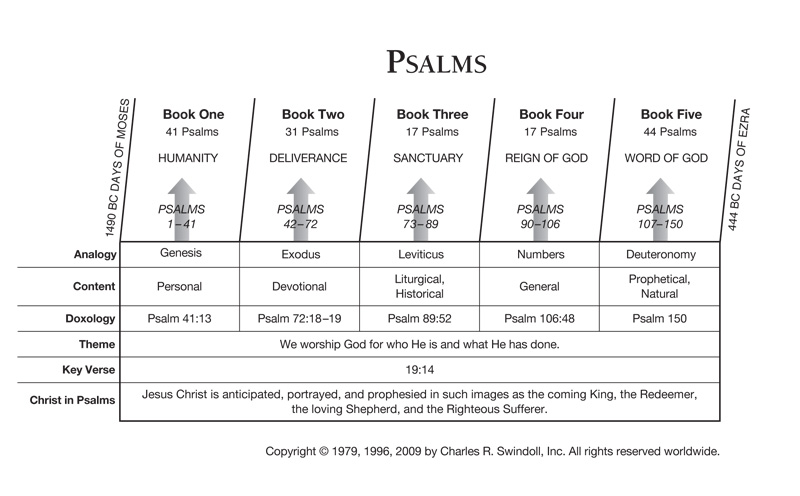 Psalm 42 begins Book 2 in the Psalms. For the first time we are told a psalm is written by a different author than David. The sons of Korah penned this psalm and few of the other psalms found in Book 2.
Psalms 42–49 were written by the descendants of Korah. Korah was a Levite who led a rebellion against Moses (Numbers 16:1–35). He was killed, but his descendants remained faithful to God and continued to serve God in the Temple. David appointed men from the clan of Korah to serve as choir leaders (1 Chronicles 6:31–38), and they continued to be Temple musicians for hundreds of years (2 Chronicles 20:18, 19).
42:1, 2 As the life of a deer depends upon water, so our lives depend upon God. Those who seek him and long to understand him find eternal life. Feeling separated from God, this psalmist wouldn’t rest until he restored his relationship with God because he knew that his very life depended on it. Do you thirst for God?
God Encourages Me as I
- Worship Him
Thirsting for the living God only begins when we realize that it is a matter of our own soul’s life and death. Just as the deer requires water for life and therefore thirsts for it, so also we will thirst for the living waters of God if we will see its need.
The psalmist’s desire is so strong that he wants to “meet with God.” It is not enough to go and worship for God. Nor is it enough to have a longing for the Lord. The thirst can only be quenched when he goes to meet God. This is the drive and goal of life. The psalmist wants to experience God, be with God, and spend time with God. The psalmist does not see worship, singing, fellowship with others believers and reading scripture as God’s rules to keep. Rather, the psalmist realizes that worship, singing, fellowship with other believers and reading scripture are the ways to be with God. These are the only ways to get to know and experience God until we can see him face to face.
We also must see that this thirst is sustained even through his personal times of oppression and skepticism. We see the psalmist’s pain in the words, “My tears have been my food day and night.” We also see the scorn the psalmist is enduring as others say to him all day long “Where is your God?” He is remembering the good times with God and continues to thirst for God even though he is enduring an undisclosed oppression.
42:4, 5 The writer of this psalm was discouraged because he was exiled to a place far from Jerusalem and could not worship in the Temple. During these God-given holidays, the nation was to remember all that God had done for them.
2. Remember Him
42:5, 6 Depression is one of the most common emotional ailments. One antidote for depression is to meditate on the record of God’s goodness to his people. How has God been faithful to you in the past? How has God answered your prayers? How has God worked in your family? How has God blessed you? This will take your mind off the present situation as you focus your thoughts on God’s ability to help you rather than on your inability to help yourself. When you feel depressed, take advantage of this psalm’s antidepressant: Read the Bible’s accounts of God’s goodness, and meditate on them. Focus on gratitude for what God has done and all that God has given.
Also, in our efforts to help others deal with their emotions and we see the scriptural foundation for this advice in this psalm. We have to talk to ourselves when we are enduring oppression, suffering, or begin to be skeptical of what God is doing for us. Notice how the psalmist talks to himself, “Why are you downcast, O my soul? Why so disturbed within me?“ Talk to yourself instead of letting your feelings talk to you. Our feelings can lead us astray.
The psalmist is speaking to his emotions. He is not allowing his emotions to dictate his mind. He is going to keep his feelings in check, realizing that he must keep his hope in the Lord. This is absolutely critical for us to understand and commit ourselves to do in the midst of trouble. We cannot allow our emotions to get the best of us and control our lives. We cannot allow our actions and rationale be dictated by how we feel. To be governed by our feelings and emotions is spiritual suicide and makes us an emotional disaster. The psalmist is telling us that we have to talk ourselves through many of the hard times of life and especially we need to talk to God.
3. Pray to Him
“The Lord will command His lovingkindness in the daytime,
And in the night His song shall be with me—
A prayer to the God of my life.” Psalm 42:8
Its a great reminder that God is loving, kind and with us all day and all night! He is available to pray to and talk to anytime!
Let’s focus on the last statement in this repeated refrain, “Put your hope in God.” The psalmist is reminding himself to put his hope and trust in the Lord. When are backs are to the wall and things do not seem to be working out the way we expected, it is time to repeatedly tell ourselves to put our trust in God.
The repetition of the phrase should tell us that it is not going to be enough to tell ourselves to trust God once. We have to keep reminding ourselves of this! Things will not go according to plan and how we deal with it is a test to our ability to trust in the Lord.
Like the psalmist, you may be struggling with depression and despair in your life right now or know someone who is. There are many things that lead to depression: distressing burdens, disobedience, disappointment, defeat or failure, defiance against God, dread or fear, the rejection of people, despondency or hopelessness, desolation or sorrow, danger, debilitating pain and suffering, a disposition of selfishness, disdain for others, and the death of a loved one. Have you dealt with this menu before? Many have been in this boat, yet the Lord can help us to overcome our discouragement.
God’s Word has given practical instruction for us on how to get our wind back when life has punched us in the stomach. It gives important principles on how to bring order, peace, and calm back into our lives if we have been sinking down emotionally.
God encourages us as we: Worship Him, Remember Him and Pray to Him
Message Audio/Video and Outline: https://upwards.church/watch-now/leander-campus-videos
Watch Messages: YouTube-Upwards Church
Sources:
Brent Kercheville, Looking Up When You’re Feeling Down
Life Application Bible Notes (Tyndale, 2007), 888.
Rod Mattoon, Treasures from Treasured Psalms, vol. 2, Treasures from Scripture Series (Springfield, IL: Rod Mattoon, 2007), 108–109.


 Upwards Church