Hope in the Darkness – Luke 1:1-18 – Part 2

Does God hear our prayers? That’s a question we have all asked. Does God really hear me? After many years Zechariah and his wife Elizabeth probably questioned if God heard their prayers for a child. But God had great plans for their child who was still on the way -John the Baptist.

Zechariah served in the priestly division of Abijah. Priests were divided into 24 divisions, which we can read about in 1 Chronicles 24.   Each day 56 of the 300 Priests in their division were chosen by a lottery who would serve in the temple. It was an honor to be selected to have duty over the altar of incense (Exodus 30:7-8). This burning of the incense was the place representing the prayers of the people.   How long had the people been praying, “Send the Messiah, work in our nation?”  How much do we pray for our nation, for revival?

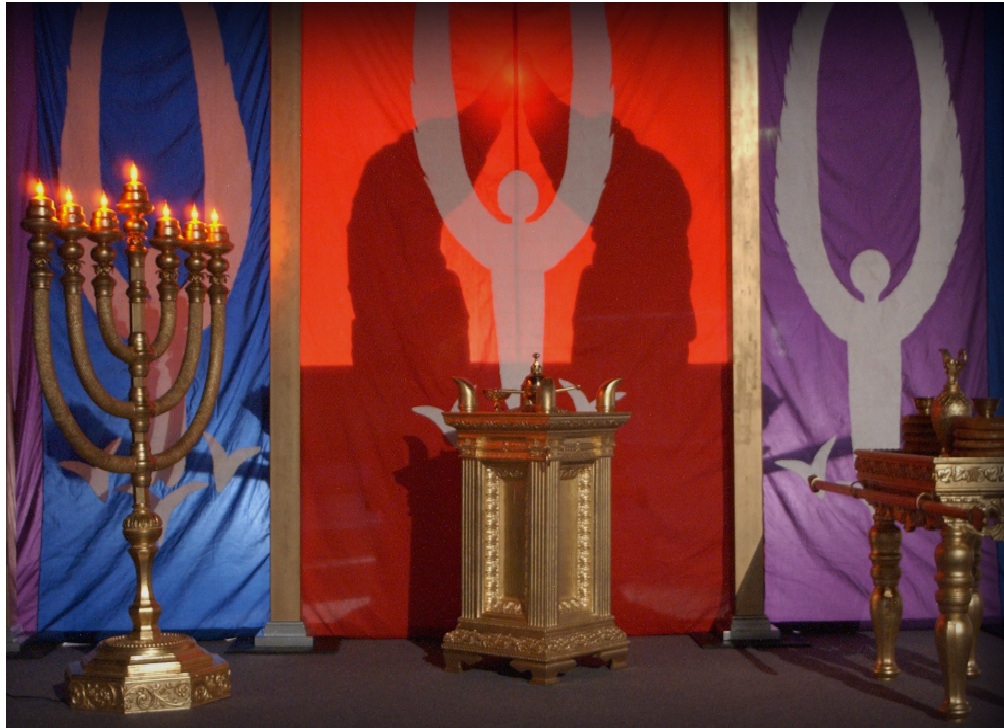
Today was Zechariah’s turn. I’m sure he was overjoyed telling his wife Elizabeth the good news. Many priests go their whole life without the honor. At the appointed time, Zechariah would enter into the Most Holy Place of the temple, just outside the Holy of Holies. The Golden Candlestick would be to his right. The Table of Showbread was to His left. Before him was the Altar of Incense with the veil to the Holy of Holies just beyond the Altar. This was a reverent time of worship.

Incidentally, it was here that Nadab and Abihu were struck down for offering “strange fire” before God (Lev 10:1-3). Spiritual leadership truly is life or death. Zechariah was up for the task while a multitude was outside praying.

And there appeared to him an angel of the Lord standing on the right side of the altar of incense. And Zechariah was troubled when he saw him, and fear fell upon him. (Luke 1:11-12)
What happens next is unexpected and amazing. The man without a child met an angel with a gospel. Even without the appearance of the Angel, Zechariah’s ministry in the Temple would have been a once in a lifetime experience. Now to the right of the Altar stands the Angel Gabriel (Luke 1:19) It is worth noting that it was Gabriel who appeared to Daniel to reveal the 70 weeks of years prophesy (Dan 9:20-21). This prophecy provided Daniel with an exact date of Jesus’ triumphal entry into Jerusalem as Messiah. It will also be Gabriel who appears to Mary shortly.

Angels are vital to our relationship with God. They minister to us and help us and they are all around us. We hear stories of angels helping people in trouble. Sometimes they take human form as Hebrews 13:2 says:  Do not neglect to show hospitality to strangers, for thereby some have entertained angels unawares. (Hebrews 13:2)

We hear reports of I cannot overemphasize the importance of the setting this encounter takes place. This is a holy place Angels are messengers from God. They play a significant role in assuring God’s plan and will is carried out and they were pivotal in announcing the coming of Christ. They will play an active role in the final days of the end times. They have created beings, eternal in nature, and mighty. Angels are not cute cupids floating on clouds, but they are warriors and powerful. So Zechariah’s response to the appearance of Gabriel is to be expected. “Fear fell upon him.” (v.12)

When we encounter the Holy or Divine, we will naturally respond in fear. In every instance, the angels provide assurance of peace and calm. “Do not be afraid.” For we know there are also fallen angels. These are the angels who followed the arch-angel Lucifer in a revolt against God (Revelation 12:4).

We should also know that there is a constant spiritual battle happening all around us that we are entwined in daily. Our prayers are effective against the evil forces and engage us in the spiritual war.   Ephesians 6:12-13.”For we do not wrestle against flesh and blood, but against the rulers, against the authorities, against the cosmic powers over this present darkness, against the spiritual forces of evil in the heavenly places”

But the angel said to him, “Do not be afraid, Zechariah, for your prayer has been heard, and your wife Elizabeth will bear you a son, and you shall call his name John.  Luke 1:13

Gabriel is bringing to Zechariah a grand message announcing the coming of the forerunner of the Messiah. There are some important pieces of Gabriel’s message that we want to look at:

First, after assuring Zechariah not to be afraid, Gabriel tells Zechariah that God has heard his prayer. Because, Gabriel is making the annunciation of John, some believe that Gabriel is talking about Zechariah’s prayer for a son. This could be, but given the context of where John is, it is unlikely John’s prayer was self-focused. Rather, it seems more likely that Zechariah may have been praying for the redemption of Israel. Prayer for the nation was the point of the evening offering

Nevertheless, God hears our prayers. There may be times when it seems like our prayers go nowhere but just waft into the air. This is not the case. God hears our prayers. His answers will sometimes come at surprising times, in a surprising place, in a surprising way. Watch for the answer!

Secondly, Gabriel tells John they are going to have a baby and the baby’s name will be John. Yohanan means “God has been gracious.” God knows us. He forms us and shapes us in our mother’s womb. He even gives us our name. God knows your name. Your life begins before you take your first breath. That’s why every life, including life in the womb, is sacred and holy.

Luke 1:14-17

There are some key characteristics Gabriel shares with Zechariah about John’s life:

First, His life will bring joy to Zechariah & Elizabeth, along with many others. The joy rooted in John’s ministry was pointing people to Jesus as the forerunner of the messiah.

Second, John was set apart for God. The reference to not drinking beer or wine would be clear to Zechariah that John was to be a Nazarite. Nazarites were set apart for special service for God (Numbers 6:1-21). A Nazarite was to avoid strong drink, not to cut his hair, and not to touch a dead body. The real contrast here is that John’s filling of the Holy Spirit. This is something common in Luke’s gospel as well as Acts

The most important thing is that from the very first John was to be filled with the Holy Spirit, without whose help God’s work cannot be done effectively. John is the only person who said in the New Testament to be filled with the Spirit from his mother’s womb; this emphasizes the fact that God chose him and equipped him from the very beginning.

He will be a great prophet. Jesus said that John was the greatest of all prophets in Matthew 11:11

Months from now, when Elizabeth, is visited by Mary who is carrying Jesus in her womb, it will be John who leaps for joy in Elizabeth’s womb. (Luke 1:44). This reminds us that the Holy Spirit was with John from the day of his conception. Even in the womb, John is It also serves as a Scriptural basis for the sanctity of life in the womb. This was not a glob of flesh.

The last thing of John’s life Gabriel shares is the theocentric ministry of John. His ministry is not self-serving. He will turn people to the Lord with the “spirit and the power of Elijah.” Elijah spent most of his ministry opposing apostasy and turn people away from Baal.

Baal was the name of the supreme god worshiped in ancient Canaan and Phoenicia. The practice of Baal worship infiltrated Jewish religious life during the time of the Judges (Judges 3:7), became widespread in Israel during the reign of Ahab (1 Kings 16:31-33), and also affected Judah (2 Chronicles 28:1-2).

Baal was a fertility god and was commonly associated with child sacrifice and sexual immorality. In this way, God’s incredible gift of sexuality was perverted to the most obscene public prostitution. No wonder God’s anger burned against his people and their leaders.

The worship of Baal (which means “lord”) worship is evidenced by the out war on anything biblical and Christian. The glorification of sexual deviance, violence, abortion (child sacrifice), pornography and prostitution is evidence of Baal worship in our culture. Incidentally, Jesus In Matthew 12:26, calls Satan “Beelzebub,” linking the devil to Baal-Zebub, (2 Kings 1:2). The Baal of the Old Testament were nothing more than demons masquerading as gods (1 Corinthians 10:20).

One last interesting aspect of this is Gabriel’s words “to turn the hearts of the fathers to the children, and the disobedient to the wisdom of the just” (v.17). The idea of family and the spiritual leadership of fathers cannot be overlooked here. A major part of Israel’s reconciliation was the reconciliation of the family with the role of the father leading the family spiritually. All of this was vital to the first coming of Jesus. Will He find us any more ready when he comes again?

Will Christ find us upright, righteous, praying, leading our family, turning away from idolatry, and toward God’s grace and goodness? Are we a church committed to strengthening the family? Are we more interested in what is popular or what is holy?  There is hope in the darkness.

Darrell

www.Upwards.Church

Message Audio/Video and Outline: https://upwards.church/leander-campus/watch-now-message-videos

Watch Messages: YouTube-Upwards Church

Facebook: Upwards Church

Read Along Daily Bible Reading: You Version
Posted in The Christ Hope of the World Luke 1-2 | Tagged , , , , , , , , , , | Leave a comment

Hope in the Darkness – Luke 1:1-13 – Part 1

Could you use some hope today?  This year has been challenging.  We are living in the rise of AI, social and political unrest and economic uncertainty.  They’re real and they’re affecting all of us.

When life is uncertain and difficult, what do we do? How do you respond? Maybe you have found yourself needing hope when you weren’t hearing the Lord speak to your heart and mind. Have you ever felt like your prayers were not getting through, or that God was not very close or has forgotten you?

God is working, be faithful.

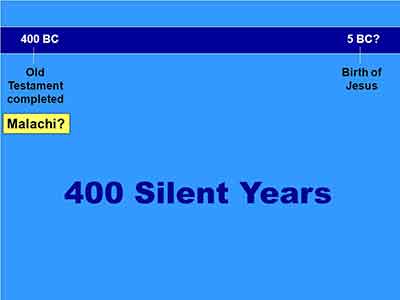
Lots of people breeze past the first 8 words of verse 5, but Luke includes these words for an important reason that we should stop and understand why. Nearly 400 years have passed “400 Silent Years,” since Malachi wrote his final words and the Old Testament was shut.

Look, I am going to send you the prophet Elijah before the great and terrible day of the LORD comes. And he will turn the hearts of fathers to their children and the hearts of children to their fathers. Otherwise, I will come and strike the land with a curse.” (Malachi 4:5-7)

The words of Malachi are both ominous and promising. It’s a reminder that God is preparing the way for our salvation and redemption. We will see next week how important John’s ministry really is as he prepares for the arrival of the Christ

And he will go before him in the spirit and power of Elijah, to turn the hearts of fathers to their children, and the disobedient to the understanding of the righteous, to make ready for the Lord a prepared people.” (Luke 1:17)

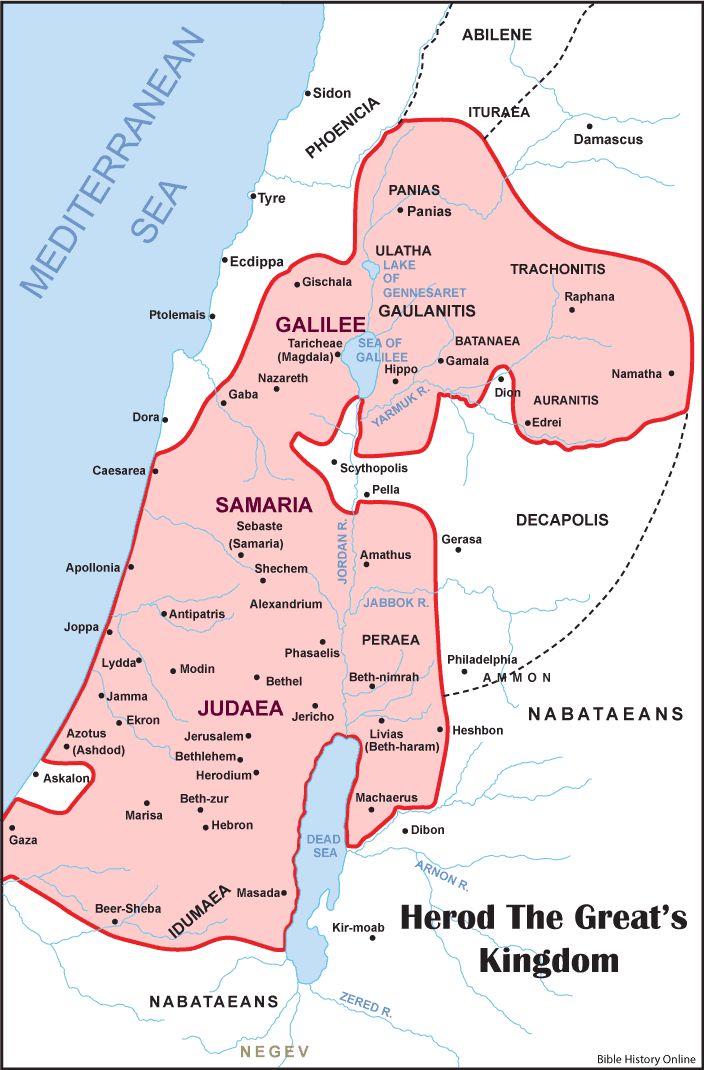
But God was also at work in the world to make way. God does not waste any time. The 400 years or “Silent Years” and the Kingship of Herod the Great were critical to the Gospel.

I don’t want to spend too much time on this, but there were some critical events that needed to take place:

  1. After the closing of the Old Testament, an influential leader conquered the land in 323 BC. His name was Alexander the Great, his kingdom ushered in a common language – Koine Greek (in which the New Testament is written)
  2. When Alexander died in 323 BC his kingdom was divided into 4 parts. Israel will fall into the hands of Ptolemy’s and be ruled from Alexandria, Egypt
  3. Eventually, the Jews fight for deliverance. During the Maccabean revolt, temple worship is restored in what would come to be known as the Feast of Dedication – Hanukkah
  4. The instability of the area will eventually lead to further conquest as General Pompey enters Israel and establishes Roman Rule in 63 BC.
  5. In 44 BC Julius Caesar is assassinated
  6. In 40 BC Herod the Great is named King of Judea by the Roman Senate.

The history within all of these events is rich and active. God was moving the events of the world toward fulfilling His plan of Salvation for you. So when Luke writes, “In the days of Herod…” He is bringing his readers back to a difficult time. Can you imagine opening a book, “In the Days of Adolf Hitler”? That’s what Luke wants his audience to know.

There are a couple of things we need to know about Herod.

  1. He was a brilliant, shrewd, and gifted leader. He had an amazing ability to take risk and land on his feet. His brilliance was also in the building. You can go to Israel today and see much of his work still standing. Aqueducts over 2000 years old still present, Caesarea, Masada, The Herodian and the Temple in Jerusalem where we still see the Wailing Wall.
  2. The other side of Herod is a cruel and brutal man. Herod sought to immortalize himself as a s god. Caesar Augustus reportedly said that it is better to be a pig than to be one of Herod’s sons. The slaughtering of children after the birth of Christ in Matthew 2:16-17 underscores this sentiment.

Does the condition of the world concern you? If so, you’re in good company. These days seem to be reminiscent of “the days of Herod.”

With everything going on, it can be difficult to have a clear perspective. Add the tensions of this day and the strains of life. It was to Zachariah and Elizabeth. In the winter of their life, childless, and looking around to the situation of their world, thinking they had a part in God’s plan was probably the last thing on their mind.

Hope with Righteous Living.  (Luke 1:5-8)

Luke introduces to us an older couple. A quiet, godly couple named Zachariah and Elizabeth. I can imagine that they were revered by their community. Zechariah was a priest and Luke describes them as righteous before God and blameless.

Names are in the Bible are important and this is certainly one of those times where the names of the people involved in the story foreshadow what God is about to do in their lives.

Zechariah means “God remembers.” We will see that God remembers Zechariah and He remembers His people.

Elizabeth means “God is my oath.” And God is indeed about to make an oath, a promise, that is going to bring great light that will dispel both the darkness that Zechariah and Elizabeth have lived under and the darkness that Israel has experienced as a people.

Zechariah and Elizabeth both come from priestly families. They were highly esteemed. They were righteous before God and kept His commands. Obviously that doesn’t mean they never sinned, But that description of their lives does indicate that they desired to live in a way that pleased God.

Zechariah and Elizabeth didn’t merely go through the motions in following God’s laws; they backed up their outward compliance with inward obedience. Unlike the religious leaders whom Jesus called hypocrites, Zechariah and Elizabeth did not stop with the letter of the law. Their obedience was from the heart, and that is why God viewed them as righteous. Does your life reflect careful obedience and high regard for God’s will? As your life shows your love for God, others will be drawn to him.

And yet, in spite of their life of service to God, there was a deep sadness in their lives because they had not been able to have children. This is just one of many places in the Bible where we discover that devotion to God does not guarantee that we won’t experience heartache and difficulties in life.

But God is about to intervene in their lives in a miraculous way that would overcome the darkness and hopelessness they had lived under for so long.

Let me ask you a question:  Are you carrying a burden? Like Zacharias and Elizabeth, has your burden eclipsed your blessings in your mind?

What is your burden today?

  • Is it a physical infirmity?
  • Do you have a broken heart?
  • Is there a broken relationship?
  • Are you experiencing loneliness?
  • Are you defeated?
  • Have you experienced a great financial setback or a disappointment?
  • Have you lost a loved one, or perhaps a precious little one in your womb?

If you have a burden today, then take heart, for Zacharias and Elizabeth, and many other good people in the Bible, have walked in your shoes. In Elizabeth’s day, it would be a common belief that her barrenness was because of some kind of punishment for her sin. This was not only bad manners but also bad theology. Our sins are not always the source of our suffering. Sometimes they are but not always.

Sometimes Christians suffer for the exact opposite of sin – for the sake of righteousness. Sometimes we suffer because of the sins of others and sometimes God allows us to go through difficult times to bring us to a place of worship and glorifying him. We may not always know the why, but we do know God does hear our prayers. (Philip Graham Ryken)

Hope by Waiting and Praying (Luke 1:10-13)

Part of the Christian perspective on suffering is that even in suffering, there is a way for us to glorify God.

There are several wonderful examples of this among barren women in the Bible. I think about Sarah in Genesis 18 or Rebekah (Gen 25:21) or Hannah (1 Sam 1-2). All of these women suffered tremendously.

Suffering can heighten our spiritual sensitivity to draw us closer in our relationship with God. We have the choice and ability to become bitter or say, “How can I glorify God in this?” How can God use this situation to help others know him?

Dr. Karl Menninger, a world-famous psychiatrist, was answering questions after giving a lecture on mental health when one person asked, “What would you advice someone to do if he felt a nervous breakdown coming on?” Most people expected the doctor to say, “Consult a psychiatrist.” Instead, he said, “Lock up your house, go across the railroad tracks, find someone in need, and do something to help that person.”

God has a plan. He answered their prayer at just the right time.  They needed to keep serving others and keep praying.   In the next post we will see how God answered their prayer and how he answers ours.

Darrell

www.Upwards.Church

Message Audio/Video and Outline: https://upwards.church/leander-campus/watch-now-message-videos

Watch Messages: YouTube-Upwards Church

Facebook: Upwards Church

Read Along Daily Bible Reading: You Version
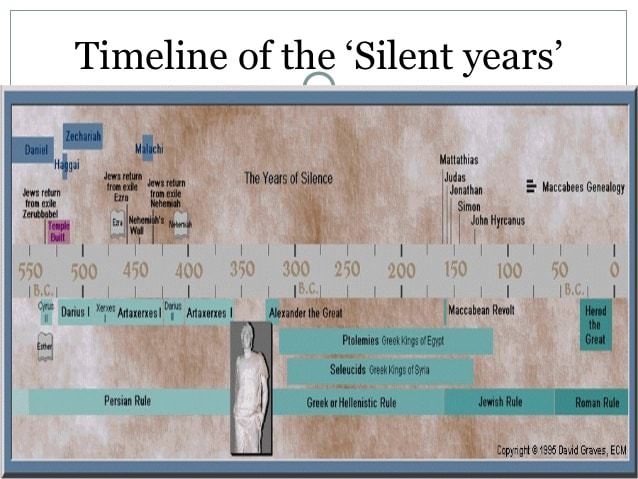
Source:  Bruce B. Barton, Dave Veerman, Linda K. Taylor, Life Application Bible Commentary – Luke, (Wheaton, IL: Tyndale, 1997), WORDsearch CROSS e-book, 6.


Posted in The Christ Hope of the World Luke 1-2 | Tagged , , , | 1 Comment

You’re Invited- The Christ, Hope of the World – Luke 1-2

You’re Invited to our Christmas Series at Upwards Church!

Series: The Christ – Hope of the World

Scripture: Luke 1-2

Description:  We are living in uncertain and turbulent times. The first Christmas was no different.  When it seemed like God was silent, He was at work bringing new life and new opportunities.  Join us as we learn from Elizabeth, Mary, the Shepherds and Simeon that God, His promises, power and presence are our hope.

Dates – Titles (Scriptures)                                                     

Dec. 7 – Hope in the Darkness (Luke 1:1-17)

Dec. 14 – Hope in the Impossible (Luke 1:26-38)

Dec. 21 – Hope in Uncertainty (Luke 1:39-56)

Dec. 24 – Hope in Salvation (Luke 2: 1-20)  *Christmas Eve


Dec. 28 – Hope for the Future (Luke 2: 22-35)

Introduction to Luke 1:

“Inasmuch as many have taken in hand to set in order a narrative of those things which have been fulfilled among us, just as those who from the beginning were eyewitnesses and ministers of the word delivered them to us.  Luke 1:1-2

There is a beginning to the Christmas narrative, and then there is another beginning. A Beginning that has no starting point or finish line to cross. God eternal; God unlimited: the uncaused Cause.

Jesus’ story doesn’t start with His conception or His birth. His story doesn’t even launch from the creation of the world as we know it. The Great I AM – coexistent, coeternal, coequal with the Father and the Holy Spirit – has always been. Our oh-so-limited minds can’t begin to comprehend this truth!

Jesus, the Word of God – God Himself – became flesh and dwelt among us. Almighty God, leaving heaven’s splendor, took on the form of our dust to save us from our separation from the Father and the ravages of sin and enslavement to our enemy. A babe in a manger: God with us.

And what about those eyewitnesses who walked the dusty paths of Israel with Him – those who laughed, cried, beheld, and held the Miraculous? They desire for us to encounter the miraculous as well.

There has never been a more lavish romance in all of the measured time than the love story of God for humanity. Because that’s what Christmas is, the real-life story of the King who became a pauper, who so loved His wayward children that He came for their rescue. He came so they could find overwhelming satisfaction and fulfillment by being hidden in His heart and empowered by His Holy Spirit. He came so that they may reign in life instead of being devastated by it.

Such is the power of the Christmas story. A story that never stops giving.

“It seemed good to me also, having had perfect understanding of all things from the very first, to write to you an orderly account, most excellent Theophilus, that you may know the certainty of those things in which you were instructed.  Luke 1:3-4

An orderly account.

In Luke’s Gospel, the Christmas story unfolds with a medical doctor’s analysis for an accurate and concise narration of the Savior’s life. Our Savior, King Jesus, who steps into our disorder, our muck and mire, and takes our lives from up-side-down to right-side-up. He is The One.  He brings order, meter, and rhyme to our life stories that have gone terribly wrong.

Luke is writing to Theophilus, an unknown but honored gentleman, whose name means Friend of God. Luke, who has studied Jesus’ life from every angle, has questioned eyewitnesses, and has experienced the love of Christ for himself, writes to each of us as well. Amazing. Amazing because we, too, like Theo, are called friends of God.

And why does Luke write? So that Theo and we who would follow in faith could know the certainty of what we believe. The certainty of what we have experienced. The certainty of God’s Word. The Miraculous invading the mundane. The Divine piercing the doubtful. The Breath of Life ‘quickening’ the pulse of the hopeless and dying.

Luke wants us to understand. Luke doesn’t want us to just take our faith at face value without the depth of comprehension of all the whys Lord Jesus came to earth. Why He subjected Himself to leaving heaven’s incomprehensible wonder to come to earth’s bloody, muddy, messy, and selfish terrain. Why God moved into our neighborhood (John 1:14 MSG). Why the twinkle-light celebration we love was actually a rescue mission for our souls.

Luke doesn’t want us to guess; he wants us to understand it all. And he wants us to understand with assured confidence.

There was in the days of Herod, the king of Judea … Luke 1:5

One thing the Hebrew nation has experienced time and again is oppression. This nation, chosen by God to demonstrate His overwhelming love and receive the commandments for how to navigate life in this broken, fallen, and evil world, has often been ruled and ravaged by others. Such was the situation at the time of Jesus’ birth.

And that causes me to ask, what is ruling us? Is it the pain of the past, the disappointment of dreams unfulfilled, or fear of the future? Not only for ourselves, but also for our loved ones? What haunts our meandering thoughts or keeps us awake at night? What is it in our lives that often hinders and holds us back from all God has for us?

Jesus’ entry into humanity reminds us first and foremost that His purpose for coming was a rescue mission behind enemy lines. This fallen planet is under the sway of the prince of darkness, the devil, since the fall in the Garden. Adam and Eve’s disobedience caused their God-given dominion to be handed hook, line, and sinker to the adversary. And the oppression of the human soul is the name of the enemy’s game.

But Jesus came. And He comes to us now. The advent of Jesus’ birth reminds each of us that freedom from the stuff in our lives is possible, no matter what our own foolishness, the world, or the devil has brought upon us. Christmas is the story of reinstating God’s authority in the life of every believer who surrenders their life to Him.

So, this Christmas, ask the Holy Spirit to help you take inventory. What has been filling my thoughts? What sins or habits still linger? Finally, ask yourself, have I given up seeking freedom from these areas in my life? Because if you and I have, Christmas reminds us that it is never too late to know glorious release from oppression–because Jesus came to wholly save us. To deliver us. To set us free now.

 I hope you can join us for the rest of our series each week in December!

PS, if you enjoyed the introductory words to Luke 1:1-3,  like I did, its adapted from our devotional readings each day at YouVersion.

Click here to read along daily.

Darrell

www.Upwards.Church

Message Audio/Video and Outline: https://upwards.church/leander-campus/watch-now-message-videos

Watch Messages: YouTube-Upwards Church

Facebook: Upwards Church

Read Along Daily Bible Reading: YouVersion

Source Unwrapping Christmas – Viewing the Nativity Through Luke’s Eyes, YouVersion Bible, “We would like to thank Sue Boldt for providing this plan. For more information, please visit: http://www.sueboldt.com/


Posted in The Christ Hope of the World Luke 1-2 | Tagged , , , , , , , , , | Leave a comment

You’re Invited! – 2 Peter Introduction

You’re invited as we dig into the book of 2 Peter.

Upcoming Messages:

Nov. 23 –Stand on God’s Word (2 Peter 1)

Nov. 30 –Stand Ready for Christ’s Return (2 Peter 3)

Introduction: 

Warnings have many forms: lights, signs, sights, sounds, smells, feelings, and written words. With varied focus, their purpose is the same—to advise alertness and give notice of imminent danger. Responses to these warnings will also vary—from disregard and neglect to evasive or corrective action. How a person reacts to a warning is usually determined by the situation and the source. One reacts differently to an impending storm than to an onrushing automobile, and the counsel of a trusted friend is heeded more than advice from a stranger or the fearful imaginings of a child.
Second Peter is a letter of warning—from an authority none other than the courageous, experienced, and faithful apostle. And it is the last communication from this great warrior of Christ. Soon thereafter he would die, martyred for his faith.
Previously Peter had written to comfort and encourage believers in the midst of suffering and persecution—an external onslaught. But three years later, in this letter containing his last words, he wrote to warn them of an internal attack—complacency and heresy. He spoke of holding fast to the nonnegotiable facts of the faith, of growing and maturing in the faith, and of rejecting all who would distort the truth. To follow this advice would ensure Christ-honoring individuals and Christ-centered churches.
After a brief greeting (1:1), Peter gives the antidote for stagnancy and shortsightedness in the Christian life (1:2–11). Then he explains that his days are numbered (1:12–15) and that the believers should listen to his messages and the words of Scripture (1:16–21).
Next, Peter gives a blunt warning about false teachers (2:1–22). They will become prevalent in the last days (2:1, 2); they will do or say anything for money (2:3); they will despise the things of God (2:2, 10, 11); they will do whatever they feel like doing (2:12–17); they will be proud and boastful (2:18, 19); they will be judged and punished by God (2:3–10, 20–22).
Peter concludes his brief letter by explaining why he has written it (3:1–18): to remind them of the words of the prophets and apostles that predicted the coming of false teachers, to give the reasons for the delay in Christ’s return (3:1–13), and to encourage them to beware of heresies and to grow in the faith (3:14–18).
Addressed to those who “share the same precious faith,” 2 Peter could have been written to us. Our world is filled with false prophets and teachers, who claim to have the truth and who clamor for attention and allegiance. Listen carefully to Peter’s message and heed his warning. Determine to grow in your knowledge of Christ and to reject all those who preach anything inconsistent with God’s Word.

Vital Statistics: 

Purpose: To warn Christians about false teachers and to exhort them to grow in their faith in and knowledge of Christ

Author: Peter

Original Audience: The church at large

Date Written:
Approximately A.D. 67, three years after 1 Peter was written, possibly from Rome

Setting: Peter knew that his time on earth was limited (1:13, 14), so he wrote about what was on his heart, warning believers of what would happen when he was gone—especially about the presence of false teachers. He reminded his readers of the unchanging truth of the gospel.

Key Verse:
By his divine power, God has given us everything we need for living a godly life. We have received all of this by coming to know him, the one who called us to himself by means of his marvelous glory and excellence” (1:3).

Key People: Peter, Paul

Special Features:  The date and destination are uncertain, and the authorship has been disputed. Because of this, 2 Peter was the last book admitted to the canon of the New Testament Scripture. Also, there are similarities between 2 Peter and Jude.

Outline: 

1. Guidance for growing Christians (1:1–21)
2. Danger to growing Christians (2:1–22)
3. Hope for growing Christians (3:1–18)

While Peter wrote his first letter to teach about handling persecution (trials from without), he wrote this letter to teach about handling heresy (trials from within). False teachers are often subtly deceitful. Believers today must still be vigilant against falling into false doctrine, heresy, and cult activity. This letter gives us clues to help detect false teaching.

Main Ideas: 

Diligence – If our faith is real, it will be evident in our godly behavior. If people are diligent in Christian growth, they won’t backslide or be deceived by false teachers.
Growth is essential. It begins with faith and culminates in love for others. To keep growing we need to know God, keep on following him, and remember what he taught us. We must remain diligent in faithful obedience and Christian growth.

False Teachers – Peter warns the church to beware of false teachers. These teachers were proud of their position, promoted sexual sin, and advised against keeping the Ten Commandments. Peter countered them by pointing to the Spirit-inspired Scriptures as our authority.  Christians need discernment to be able to resist false teachers. God can rescue us from their lies if we stay true to his Word, the Bible, and reject those who distort the truth.

Christ’s Return – One day Christ will create a new heaven and earth, where we will live forever. As Christians, our hope is in this promise. But with Christ’s return comes his judgment on all who refuse to believe. The cure for complacency, lawlessness, and heresy is found in the confident assurance that Christ will return. God is still giving unbelievers time to repent. To be ready, Christians must keep on trusting and resist the pressure to give up waiting for Christ’s return.

www.Upwards.Church

Message Audio/Video and Outline: https://upwards.church/leander-campus/watch-now-message-videos

Watch Messages: YouTube-Upwards Church

Facebook: Upwards Church

Read Along Daily Bible Reading: YouVersion (https://www.bible.com/organizations/370f8a6e-16bc-464f-8c43-0b7623fd2952)

Source: Life Application Bible Notes (Tyndale, 2007), 2137–2138.

Posted in Resilient Faith - 1 & 2 Peter | Tagged , , , , , | Leave a comment